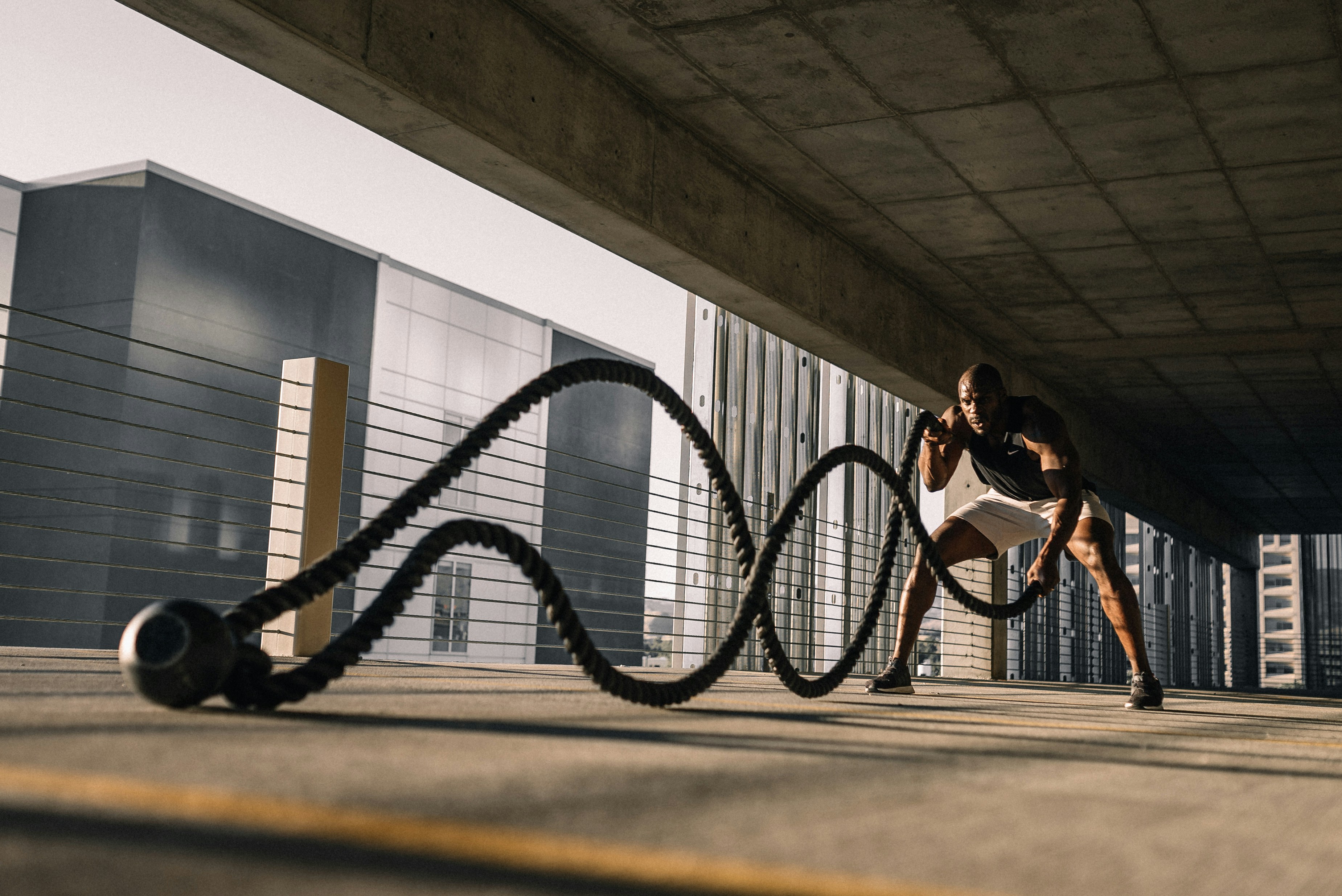
1. Beginner’s Guide to Fitness
Starting your fitness journey can feel overwhelming, but it doesn't have to be complicated. The key is consistency and patience. Begin with simple exercises like walking, stretching, and light strength training. These activities help your body adapt gradually without causing injury. A balanced routine includes cardio, strength, and flexibility exercises. Cardio improves heart health, while strength training builds muscle and increases metabolism. Stretching helps prevent injuries and improves mobility. Hydration is equally important. Drinking enough water supports muscle function and overall energy levels. Also, ensure your diet includes whole foods such as fruits, vegetables, lean proteins, and healthy fats. Rest is often overlooked but plays a critical role in recovery. Muscles grow during rest periods, not during workouts. Aim for at least 7–8 hours of sleep each night. Remember, progress takes time. Avoid comparing yourself with others. Focus on small improvements each week, and celebrate your milestones. Fitness is not just about physical appearance but also about feeling strong, energetic, and confident in your daily life.
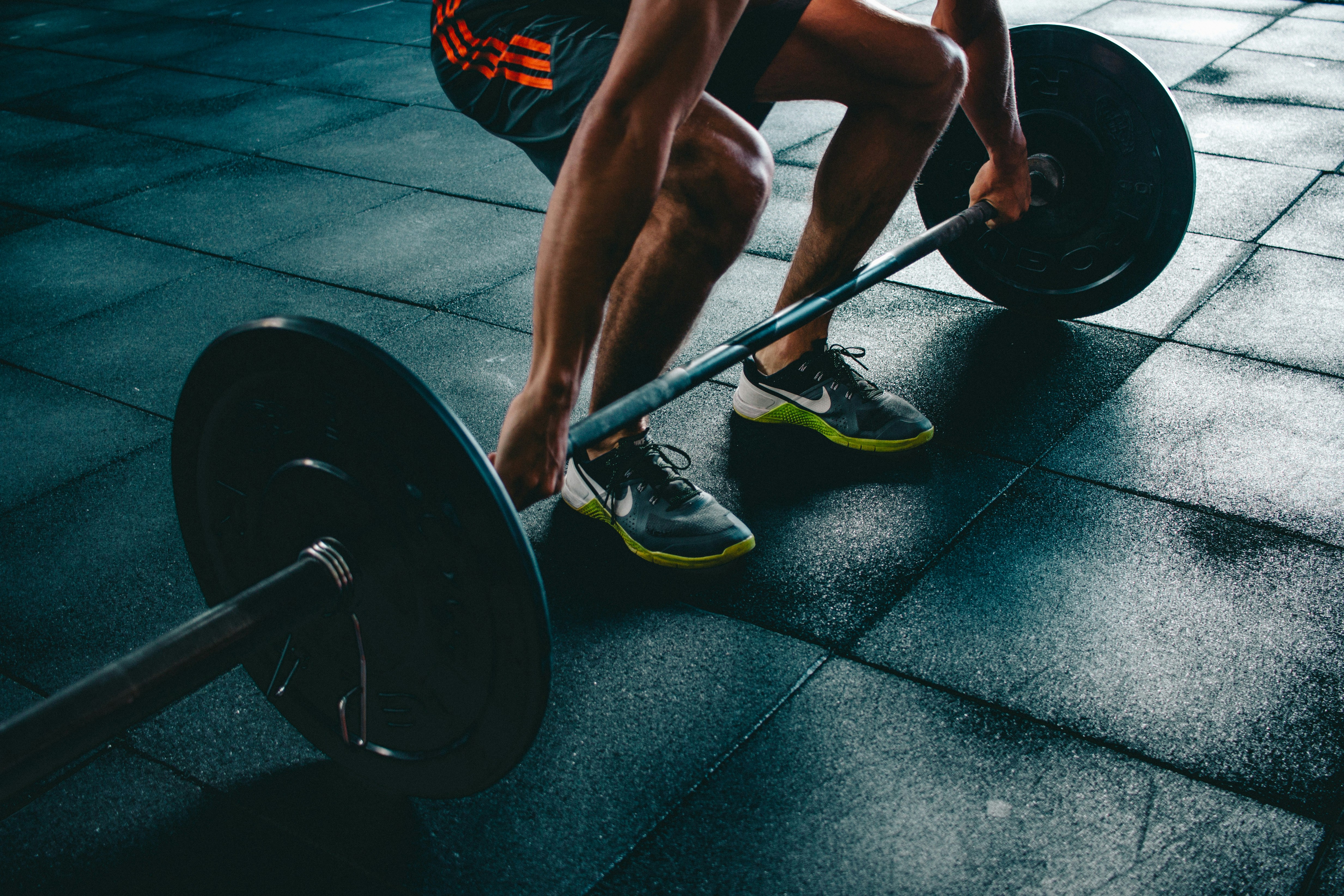
2. Importance of Daily Exercise
Daily exercise is essential for maintaining both physical and mental health. Even 20–30 minutes of activity can significantly improve your overall well-being. Regular movement boosts cardiovascular health, strengthens muscles, and enhances flexibility. Exercise also plays a major role in reducing stress. Physical activity releases endorphins, which are natural mood boosters. This helps reduce anxiety and improves mental clarity. You don't need a gym membership to stay active. Activities like walking, jogging, cycling, or home workouts can be just as effective. The goal is to stay consistent. Another benefit of daily exercise is improved energy levels. While it may seem counterintuitive, regular activity actually reduces fatigue and increases stamina over time. To make exercise a habit, choose activities you enjoy. Whether it's dancing, yoga, or sports, enjoying your routine increases the chances of sticking with it long term. Consistency matters more than intensity. Start small and gradually increase your activity level. Over time, these small efforts lead to significant improvements in your health and fitness.

3. Healthy Eating for Fitness
Nutrition is the foundation of any fitness journey. Eating a balanced diet provides your body with the energy it needs to perform and recover effectively. Focus on whole, unprocessed foods. Fruits, vegetables, lean proteins, and whole grains should make up the majority of your meals. These foods provide essential nutrients and support overall health. Protein is especially important for muscle repair and growth. Include sources like eggs, beans, chicken, or fish in your diet. Healthy fats from nuts and seeds also support brain and heart health. Avoid excessive consumption of processed foods and sugary drinks. These can lead to energy crashes and negatively impact your progress. Meal timing can also play a role. Eating a balanced meal before workouts fuels your performance, while a post-workout meal helps in recovery. Remember, moderation is key. You don't have to eliminate your favorite foods entirely. Instead, focus on maintaining a balanced and sustainable diet that supports your fitness goals.

4. Home Workouts That Work
Home workouts have become increasingly popular, and for good reason. They are convenient, cost-effective, and flexible. You can achieve great results without any equipment. Bodyweight exercises such as push-ups, squats, lunges, and planks are highly effective. These exercises target multiple muscle groups and improve overall strength. Creating a simple routine is key. Combine 4–5 exercises and perform them in a circuit. Repeat the circuit 3–4 times for a complete workout. Consistency is more important than intensity. Even short workouts done regularly can produce noticeable results. Another advantage of home workouts is flexibility. You can exercise anytime, eliminating the need for travel or waiting for equipment. To stay motivated, set realistic goals and track your progress. Over time, increase the difficulty by adding repetitions or trying advanced variations. With dedication and discipline, home workouts can be just as effective as gym training.

5. Mental Health & Fitness
Fitness is not just about physical strength—it also plays a vital role in mental health. Regular exercise helps reduce stress, anxiety, and depression. Physical activity increases the production of endorphins, which are chemicals that improve mood and promote a sense of well-being. Exercise also improves sleep quality. Better sleep leads to improved focus, productivity, and emotional balance. Mind-body activities such as yoga and meditation are particularly beneficial. They help calm the mind while improving flexibility and strength. Taking time for fitness also builds discipline and confidence. Achieving small fitness goals can boost self-esteem and create a positive mindset. Remember, mental health is just as important as physical health. Incorporating regular movement into your routine can greatly improve your overall quality of life.